
我是谁
AI写作工具实测:从“憋不出字”到“日更10篇”,站长内容生产力解放实录_我的网站

一 |
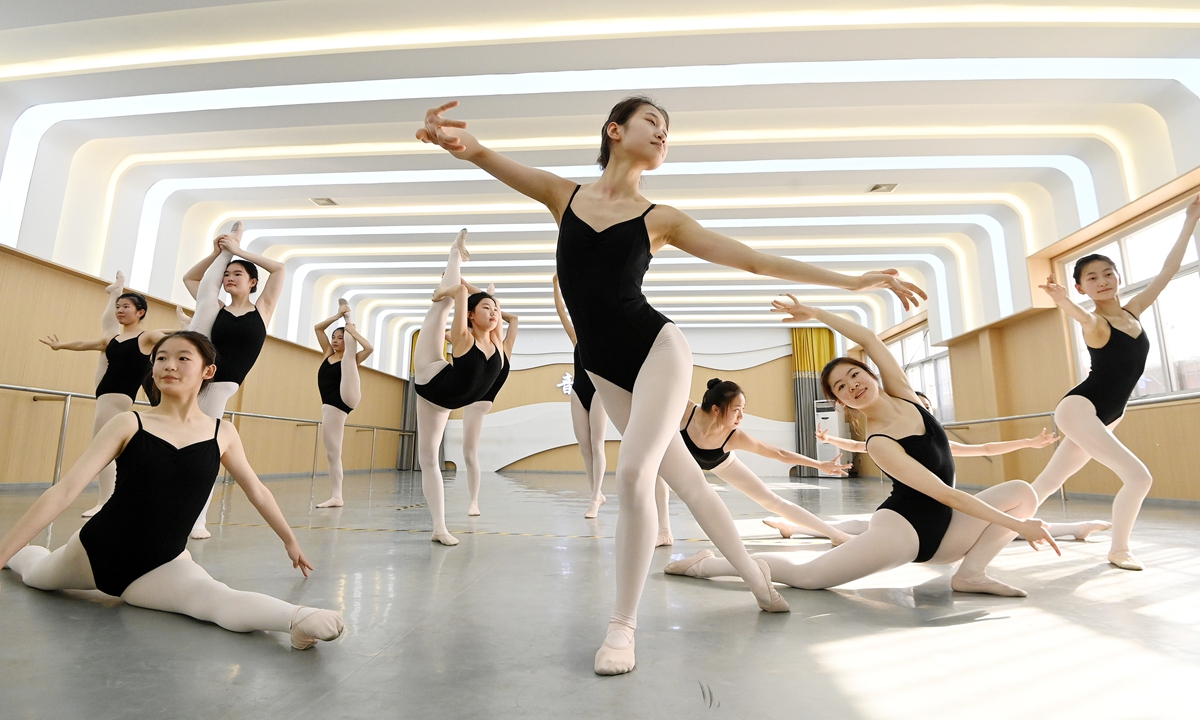
Even during summer break, changes to the admissions policy at the Communication University of China (CUC) have sparked heated discussions among students, with the reform becoming a hot topic on campus and on social media.
Amid heated debate over China's top media and arts school's admission reform, eight majors, including radio and television directing and theater directing, will no longer require separate arts exams and will instead admit students based solely on gaokao (the national college entrance exam) scores starting next year.
China's art college entrance examination, known as yikao, is a special admission pathway for students applying to arts-related majors. Applicants take both the gaokao and professional tests in areas such as fine arts, music, dance, acting, broadcasting and directing. Compared with many other university programs, art majors have traditionally placed less emphasis on gaokao scores and more on candidates' professional abilities and artistic potential.
"As one of China's most influential universities for media education, CUC's reform is seen as having broader implications," Xiong Bingqi, president of the 21st Century Education Research Institute and vice president of the China Association of College Newspapers, told the Global Times.
In his view, future arts admissions are likely to place greater emphasis on students' cultural literacy, professional interests and long-term potential.
Beyond the 'shortcut'
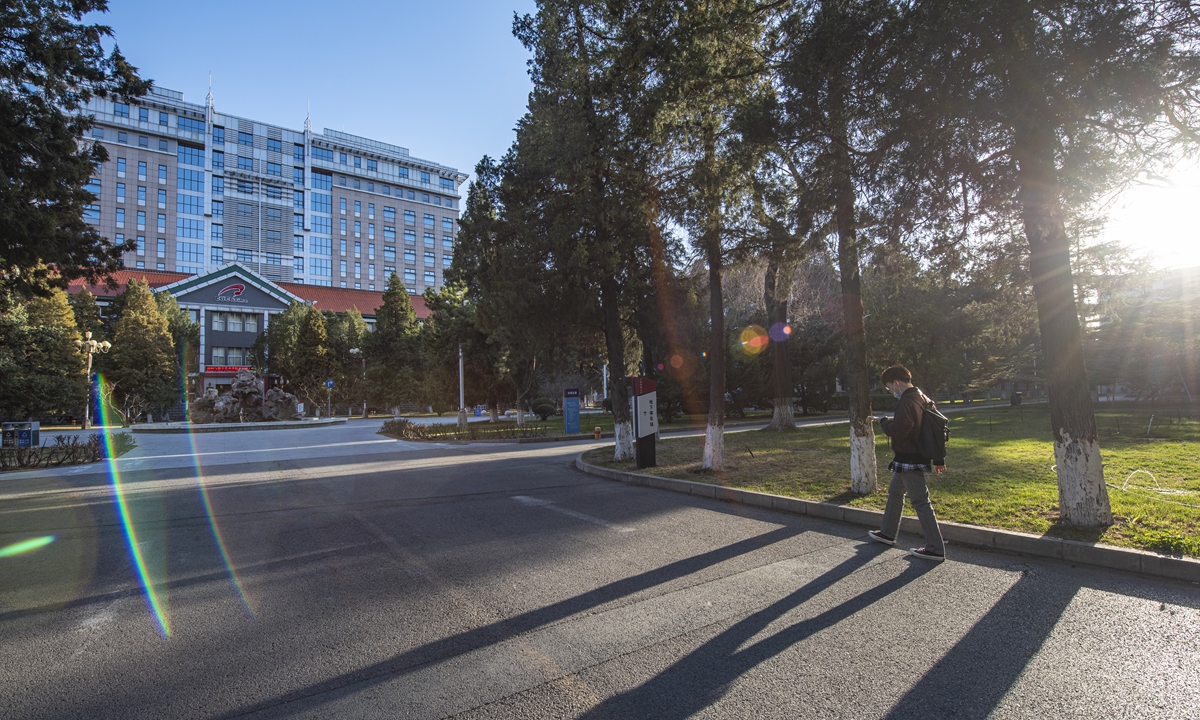
CUC's move reflects a broader trend among Chinese arts universities. In recent years, institutions such as Nanjing University of the Arts and Henan Academy of Fine Arts have reduced the number of majors requiring school-based exams on their specific art subjects, placing greater emphasis on academic performance and provincial-level arts examinations.
The changes reflect a broader trend in China's arts education admissions system, where universities have increasingly emphasized students' cultural foundation alongside their artistic abilities.
"CUC's latest adjustment reflects a broader trend in arts education reform, with some arts-related majors beginning to admit students based on their gaokao scores rather than separate professional examinations," Xiong told the Global Times.
According to Xiong, one of the key goals of the reform is to address the utilitarian mindset among some students and parents who view arts admissions as a "shortcut to college."
In the past, some arts programs had relatively lower requirements for cultural scores, prompting some students with weaker academic performance to turn to arts exams and enroll in professional training programs during high school. As a result, arts admissions were sometimes seen not as a choice driven by genuine artistic interest or career aspirations, but as an alternative pathway to enter universities.
"The cooling of arts exam fever, to me, is a good thing for arts education and talent cultivation," Xiong said. "By admitting eight majors directly based on cultural scores, CUC is effectively removing the stepping stone of the 'shortcut to college,' allowing more students with genuine artistic interests and professional ambitions to enter these fields."
For students, the reform has directly changed how they prepare for university and make academic choices.
"The changes have created more pathways for students interested in media-related fields," a junior arts management student surnamed Wang at CUC, told the Global Times.
Wang recalled that many students around her began preparing for arts exams as early as their sophomore year of high school and later traveled to cities where their target universities were located for intensive training.
As some media-related majors shift to cultural-score-based admissions, more students who did not take the arts exam but have a genuine interest in the media field may gain opportunities to enter these programs, she said.
Rethinking media talent
Beyond changing how students enter arts majors, the reform has also sparked discussion over how universities should train future media professionals.
A CUC sophomore student surnamed Wei from the School of Theater, Film and Television told the Global Times that one challenge after scrapping arts exams for some majors is how to support students who enter without systematic professional training.
"Students who previously prepared for arts exams often developed basic skills in audiovisual language and practical experience before entering university. Those admitted based on gaokao scores may need stronger professional guidance and more opportunities for practice," Wei said.
In addition to individual student development, the reform has also prompted discussions over what qualities future media professionals should possess. Kai Zhu, a drama education instructor at a leading high school in Beijing, told the Global Times that an overemphasis on exam-oriented training in media arts education had previously led some programs to focus on templates and techniques while neglecting core competencies.
"If media arts become a low-score pathway to university, the professional nature of the field will become blurred, and the industry may face a shortage of well-rounded talent," Kai said. CUC's reform signals a shift toward selecting media talent with both cultural depth and professional skills.
"Creative fields such as screenwriting and filmmaking are not built on technical skills alone; they require an understanding of society, humanity and history," he said.
"Cultural accumulation determines the depth and vision of creative works."
The reform is therefore not merely about changing the way students enter arts programs. Ultimately, it is about what kind of creators media and arts programs hope to nurture: not only those equipped with professional skills, but those who can think deeply, understand society and transform their cultural knowledge into meaningful works, he noted.
Wang Wenpei contributed to this story.
。
一键部署OpenClaw 对做内容的站长来说,噩梦永远是“今天写什么”。2026年,AI写作工具已经进化到能独立完成从选题到发布的完整流程。 鸭梨AI:WordPress全自动内容生产 完全开源免费的WordPress插件,基于AI大模型技术,为内容创作者和SEO人员提供全自动化内容生产。通过规则化配置实现关键词挖掘→AI创作→质量检测→定时发布全流程自动化。适合需要批量生产内容的SEO内容站和站群运营。 Codesala SEO Content Engine:永久免费的AI SEO插件 WordPress的免费AI SEO插件和内容生成器,结合关键词研究、AI文章写作、页面SEO优化。无需API密钥,永久免费。支持OpenRouter、Groq、Cloudflare Workers AI等多种AI提供商。预算有限的个人站长首选。 WP Rank:从关键词研究到发布全自动 Artemis Labs推出的AI SEO引擎,运行在WordPress内部,从关键词研究到发布优化文章全自动完成。一篇文章的SEO关键信息(标题、描述、关键词)AI都能自动生成。适合需要系统化SEO内容运营的团队。

二 | Surfer SEO:让文章排到Google第一页 专门分析排名靠前的页面,告诉你怎么优化内容。输入关键词→爬取Google前十名→分析共同特征(字数、标题结构、关键词密度)→给文章打分→逐项告诉你怎么改。实测优化五篇旧文章,一个月内三篇从第五页升到第一页前三名。月费$89起步,适合对排名有极致要求的内容团队。 Semrush AI套件:功能最全的瑞士军刀 AI能力渗透到关键词研究、竞品分析、内容优化、技术审计每个模块。AI Copilot能根据网站数据直接给出优化建议。AI内容助手输入关键词自动分析Google前十名内容结构,告诉你要写什么主题、推荐字数、包含哪些关键词。月费$139起步,功能全但价格高。

三 | 选型建议:预算有限的个人站长从Codesala SEO Content Engine开始;需要系统化内容运营选WP Rank;追求排名极致选Surfer SEO;专业团队选Semrush。
申请创业报道,分享创业好点子。点击此处,共同探讨创业新机遇!。
Current article:http://www.qiniaohongfangfoguisenzhai.cyou/list_ma311/7hbm7r.html
Published on:19:28:15
相关新闻
- 台湾媒体:HTC的首款5G智能手机将等到2019年下半年。
- SL, 53 countries need debt relief
- 为何说素食者比肉食者更容易患抑郁症?研究揭示背后的科学原理
- 劳有所慰 清凉进工地 关爱到一线
- Google के प्रीमियम 5G फोन पर बड़ा डिस्काउंट, iPhone 16 से भी कम हुई कीमत
- CBI के हत्थे चढ़े एयरटेल अधिकारी समेत तीन लोग, अवैध सिम कार्ड बिक्री से जुड़ा है मामला; ऐसा होता था खेला
- Beijing likely to receive one-third of annual rainfall in 24 hrs amid Typhoon Dolphin
- 健身气功·八段锦推出官方版演练视频
- 「XG」プロデューサー酒井じゅんほ容疑者(39)コカイン所持の疑いで逮捕 警視庁「エイベックス」2人の社員ら3人の男も同容疑で逮捕 2025年3月から内定捜査
- 淘宝,是如何搞 AI 的?
最后更新
- Watch Video: James Cameron Wants to Shoot Second Unit Scenes for SS Rajamouli’s Varanasi
- 双色球提醒您:警惕诈骗陷阱,用理性赢得幸运
- 西藏昌都清洁能源推介会签约7.65亿元,西藏昌都清洁能源推介会签约7.65亿元
- 《真三无双》登杂志封面!官方认定“赵云”为系列门面
- 事关贷款贴息 多家银行发布公告明确
- live图再有活人感,我也不想发朋友圈了
- 拼多多做爆款链接的三种方式
- 부산 한복판서 도시가스 못 쓰는 20가구
- Capitol riot prosecutors seek prison for former Michigan candidate for governor
- 今日趣图:曼联保级成功欧联唯一不败球队,留力剑指冠军!