


非诚勿扰
‘Let traditional Chinese patterns shine with new splendor,’ says Chang Shana, former president of the Central Academy of Arts and Design_我的网站

一 |
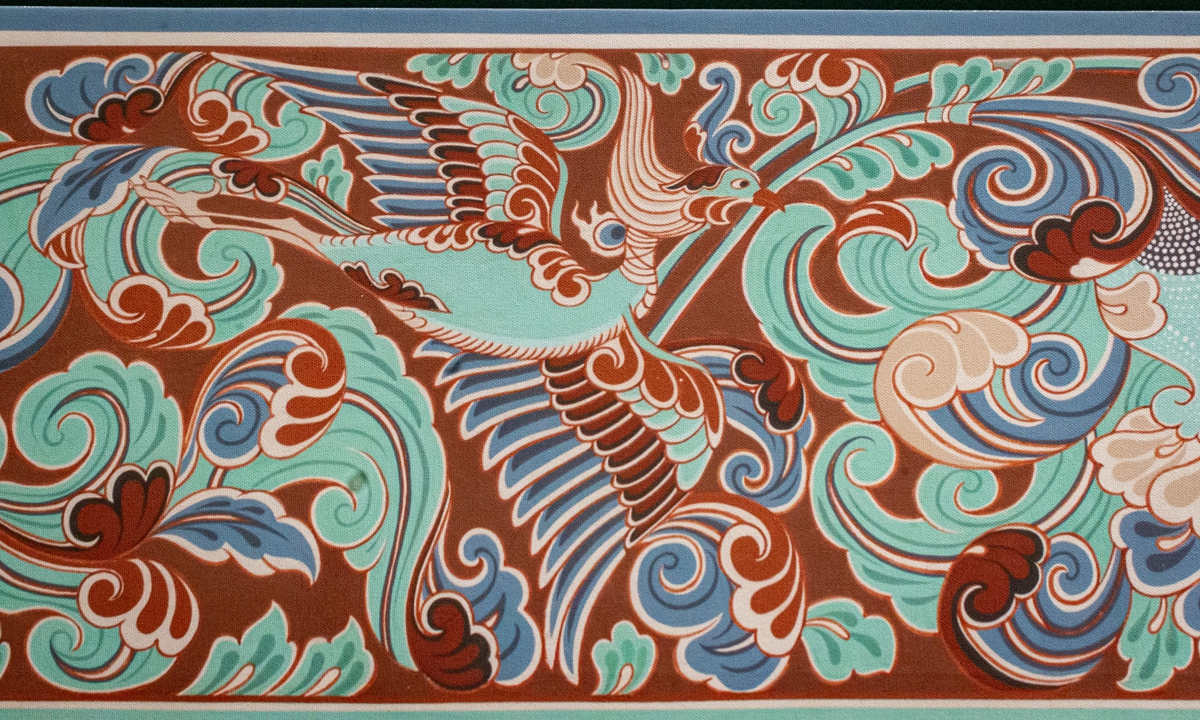
As an important part of Dunhuang art, decorative patterns are the carriers with the most rigorous compositional principles and the richest cultural spirit.
In the Dunhuang caves of Northwest China, there are numerous floral, cloud, flame, animal, and other decorative patterns. These patterns come from different periods and are found on and in structures and forms such as caisson ceilings, canopies, halos, costumes, border decorations and floor tiles, blending with statues, murals and architectural space.
Such patterns not only organically and harmoniously enriched and decorated murals, painted sculptures and entire caves, making them more splendid and perfect, but also developed their own period styles and characteristics, vividly recording the formation, change and development of Chinese decorative art and reflecting the social culture and customs of different times.
From the Sixteen Kingdoms (304-439) period through the Sui (581-618) and Tang (618-907) dynasties and beyond, Dunhuang cave mural art continued to evolve in both content and form with the changing times, and decorative patterns changed accordingly. From the three-petal leaf and honeysuckle patterns of the Northern Wei (386-534) to the scrolling-grass, baoxiang flower and linked-pearl patterns of the Sui and Tang and the medallion floral patterns dominated by mineral green in the Western Xia (1038-1227), Song (960-1279) and Yuan (1279-1368) periods, the pattern forms and color systems of different eras together form the historical lineage of Dunhuang decorative patterns, and also reflect the continuity and creativity of Chinese art.
I once led students in forming a research group on "Chinese Decorative Patterns of Dunhuang Through the Ages," systematically collecting, organizing, classifying and copying the decorative patterns on Dunhuang murals and painted sculptures, including the motifs. Through this sorting and copying, we conducted in-depth research and gained a full understanding of the historical culture, artistic features and decorative effects of each type of Dunhuang pattern, and clarified the causes, characteristics and historical evolution of each type. This is the "source" for contemporary design application.
Traditional patterns are an important source of inspiration for my designs. In design, on the one hand, the original appearance of traditional patterns should be preserved to a certain extent; on the other hand, they should be summarized, simplified, extended or enriched to make them more modern.
The ceiling pattern of the banquet hall of the Great Hall of the People was inspired by Tang Dynasty caisson patterns from Dunhuang. With a lotus as the center of the ceiling, and in line with the functional needs of the architectural structure, lighting and ventilation, it combines Dunhuang floral patterns with modern functions to create a spatial decoration with a distinctive national style. This design remains regarded as a model of the contemporary expression of traditional patterns.
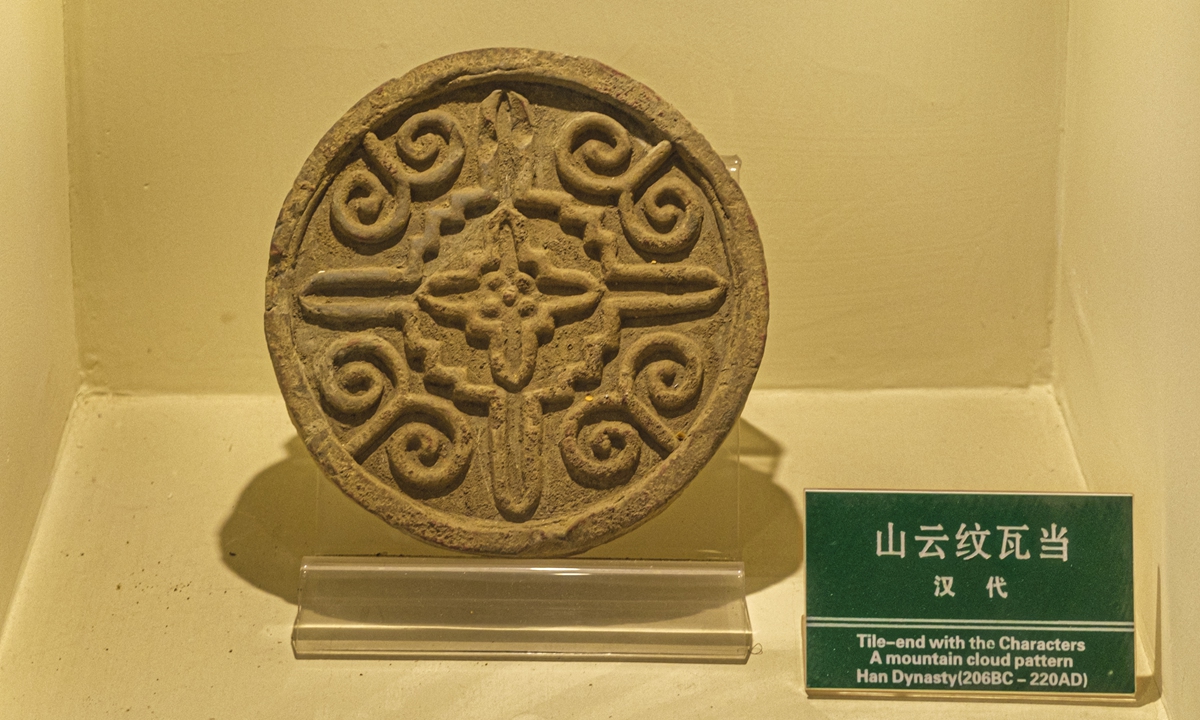
I was invited to serve as artistic consultant for the creative program "Nian Jin" (Auspicious Brocade) at China Media Group's 2024 Spring Festival Gala for the Year of the Dragon. Through natural patterns such as mountains and clouds of the Han Dynasty (206BC-AD220), bird and animal patterns such as flying phoenixes and auspicious lions of the Tang Dynasty, floral patterns such as peonies and laurels of the Song Dynasty, and auspicious patterns such as gourds and lanterns of the Ming Dynasty (1368-1644), we enabled the audience to appreciate the aesthetic tastes passed down by the Chinese people over thousands of years and the breadth and depth of fine traditional Chinese culture.
In contemporary society, as standardized, mass-produced industrial products have become dominant, people hope to find forms that reflect their own national cultural language and are distinctive, warm and pleasing. Traditional patterns can make people feel the depth of history and emotional warmth, and can further embody the cultural character of their nation through modern design.
The study and innovation of decorative patterns is a highly practical part of inheriting and promoting fine traditional Chinese culture. It concerns not only vision and beauty, but also cultural attitudes and identity. These patterns are not just a form of heritage found on murals or on other cultural relics; they can enter our daily lives and become cultural symbols in fabrics, utensils, spaces and even digital interfaces.
I believe that more and more later generations engaged in art and design will, on the basis of promoting fine traditional Chinese culture and adapting to people's current needs for culture, art and a better life, take innovative steps to create a new style of modern design art with Chinese characteristics - one that is national, scientific and popular, so that traditional Chinese decorative patterns can constantly generate new vitality and shine with new splendor.
The author is former president of the Central Academy of Arts and Design. This was compiled and translated by the Global Times English edition based on an article published by the People's Daily Overseas Edition on August 20.
。

二 | 明星品牌制售服饰已成常态但如今,套模式之外有了更多玩法。首先最直观的便是运动元素占比提升。这一趋势可以从较早时候陈冠希的CLOT、权志龙的PEACEMINUSONE嗅到迹象。前者带着国风元素和「凝结」价值观与耐克联名多年后,转向阿迪达斯开启另一个时代;后者的小雏菊联名耐克直接掀起一波「炒鞋」热潮。除了明星光环之外,二者出圈的一大原因就是不限于街头潮流叙事,往彼时运动服饰火热的风口上靠——这也是眼下不少明星品牌正在强化的部分。白敬亭的GOODBAI 最初的主线同样是无性别潮流,靠自己和一众明星好友上身先为娱乐圈粉丝熟知。当「治愈经济」体量不断增大,他又结合自身形象设计出IP,卖起毛绒玩具、挂件,联名丝芙兰、好利来、屈臣氏等国民熟知的品牌。

三 | 随着运动逐渐成为更多人生活方式,其品牌做出「她们的球队」「高尔夫女孩」「网球夏令营」等运动风格系列;而当户外、跑步流行起来,他持股的品牌管理公司便孵化出户外品牌30C,在推出越野跑服饰的同时也不忘运营跑步社群。图源:GOODBAI社媒「国民教练」刘畊宏做健身装备;LISA给自己品牌加入的泰拳、冲浪等东南亚热门运动元素;运动员出身、沉迷健身的王嘉尔在TEAM WANG推出过运动背心、短裤……健身、跑步、户外,将这些运动元素加入产品、用运动语言讲述故事是不少明星品牌在潮流之外找到的新答案。然而,产品风格层面的变化只是一个切面,如何持续将这股运动潮流吸引来的流量转化成收入和「留量」同样是关键问题。

四 | 对此,不少明星品牌选择现身线下找「存在感」。成立不过5年,白敬亭的GOODBAI已经带着篮球、棒球、网球等系列服饰在北京、上海、成都、杭州、阿那亚等地开店;海外,品牌至今已走过巴黎、新加坡等,不久前才现身首尔。LISA的LLOUD登陆曼谷、东京、首尔等地;赵露思曼谷演唱会期间,其品牌ROSYDOEDIAN开出同城快闪;刘畊宏夫妇的运动品牌一年前开出首店,官宣直营+加盟超过100家店的「百城百店」计划。VIVICYCLE线下门店以前的明星品牌大多将重心放在线上渠道,因为实体门店意味着必须承担租金、装修、水电、人工以及各种有形无形的运营成本,同时还要花大量心力维护,即便短期快闪店也比不过线上的轻量、高灵活性。可近年来,重视线下渠道建设的明星品牌却越来越多。他们大多在保留小程序直营、电商平台入驻的同时开实体门店,因为大家都明白:要想长期把品牌做下去,只依赖一种渠道是不够的。店铺链接、新品橱窗,实时追踪偶像动态的粉丝们自然不会错过,但对于那些冲着名人光环偶尔点进来看看的「路好」乃至普通消费者来说,各大社媒、电商平台的个人偏好算法会将明星品牌和真实市场的距离越拉越开。在这样的背景下,门店价值便凸显出来了。视觉、动线、陈列,甚至是门口排队打卡的队伍,这些通过门店呈现出来的内容本身就是品牌介绍的一部分。就像王鹤棣开在上海安福路的D.Desirable,随着整条街区在国内外社媒的走红,已经成了知名「City Walk」打卡点;白敬亭开在阿那亚海边的快闪店靠设计感出圈,在这里试水成功后紧接着开更大门店……不少粉丝跨城、跨国来到现场只为入手偶像同款、拍摄同机位照片。海外媒体将D.Desirable纳入City Walk热门打卡点(左)GOODBAI在阿那亚的快闪店(右)产品直接触达消费者、视觉展示品牌形象,把抽象的品牌调性变成具体可感的体验,甚至带给粉丝无法用金钱衡量的情感价值——门店的很多特性是线上渠道无法完全替代的。只不过相较消费者熟知的大体量品牌,明星们更喜欢用快闪店摸清或激活当地市场,走一种先轻量验证再决定要不要落子的路径。

五 | GOODBAI联名申留真8月中旬落地上海的舞房快闪店近年来在娱乐行业式微、大环境不好的焦虑情绪渲染下,明星们发展副业做品牌的热情愈加高涨。但在这股热潮之下,不少品牌依然高度依赖国内成熟的服饰供应链,以代工贴牌方式为主,意在快速收割短期流量。

六 | 随着初期热度和新鲜感慢慢过去,如果产品和营销依旧跟不上,便会慢慢被遗忘直至查无此名,真正能始终留在「牌桌」的只是少数。如果不满足于仅粉丝可见的「自嗨」,品牌们都要直面代工品控参差不齐、营销翻车,还有「明星不红了品牌无人在意」这些真实风险。尤其是对那些决定讲运动生活方式叙事、对更大的消费市场怀有野心的品牌而言,还要面临专业门槛、圈层壁垒、运动爱好者认可等多层考验。

七 | 赵露思品牌曾推出的网球风服饰从线上平台到实体门店,从街头潮流到运动时尚,不同明星品牌各有锚点,也都在不同程度上把产品线和招牌立了起来,甚至吸引着更多人跃跃欲试。

八 | 只不过,他们搞运动真的能变成一门可行生意,还是风潮之下的昙花一现,一切都只能等时间告诉我们答案。

九 |
Current article:http://www.qiniaohongfangfoguisenzhai.cyou/kx3bzd/20260826/4094.xls
Published on:20:01:11
 Claude成功设计出蛋白质 人类距离“攻克大部分疾病” 还有多远?
 (W.E. Talk) Green architecture: building bridges between the East and West, without crossing the limits of our planet
 国产单机动作游戏《湮灭之潮》新预告,《生化危机:安魂曲》格蕾丝声优安杰拉加盟
 沃特森考虑先签后换 骑士雄鹿快船均有意引进
 African delegates give thumbs up to China’s efforts to narrow the digital divide at media forum
 全球最大生活指南百科 WikiHow 指控 OpenAI 爬取超 1.1 万篇教程文章训练 AI
 大神集齐GBA全部791款游戏 合影太壮观价值一辆汽车
 就你叫神作?所有人都说它很吊 可我偏偏玩不下去
 原创 现在人们出去旅游,为啥越来越舍不得花钱?景区老板说出实情,原因很现实
 霍林格:奥萨尔或复刻杜伦 明夏成受限制自由球员
 交了全年房租 入住不到俩月房东通知搬离_公司_租赁
 力星股份:2026年半年度净利润约2121万元,同比下降43.52%