
不良笑花(全文在线阅读)>
不良笑花Colombian writer’s new work brings home country closer to Chinese audience_我的网站
一 | 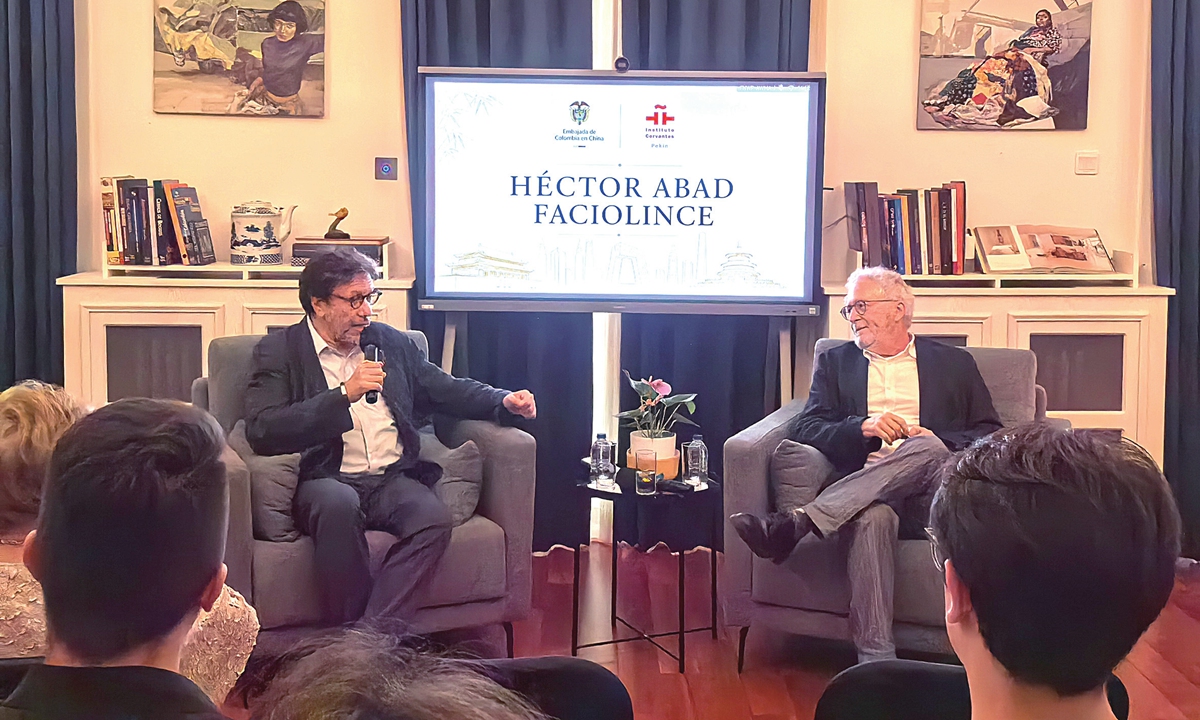 The Embassy of the Republic of Colombia in China hosted a colloquium with Héctor Abad Faciolince, a Colombian novelist, writer and journalist. The writer shared on Tuesday his growth journey from a journalist to achieve his dream as a writer, his observation of the Colombian society and his impression about the changes in China. In a fully packed hall, Minister Plenipotentiary Jose Fernando Bermúdez Cendales said in his opening remarks that the event is part of an initiative to bring Colombian culture closer to the Chinese public while simultaneously creating new spaces for dialogue and exchange between the two countries. Bermúdez said that Abad's visit to China offers a particularly valuable opportunity to showcase the richness of our literature and to strengthen the cultural and human bridges connecting Colombia and China. The session, chaired by Santiago Gamboa, writer and minister counselor of the Colombian Embassy, focused on the career and body of work of Abad and in particular, El olvido que seremos (Oblivion: A Memoir). Abad's book is a seminal work of contemporary Colombian literature in which personal and family memory engage deeply with Colombia's recent history. Its translation into Chinese allows this story to reach new readers and represents an extraordinary opportunity to bring both societies closer together through literature, per some commentators. "We hope this gathering will be an open conversation among cultures, readers, and experiences, and a new expression of the friendship that Colombia and China continue to build," said Bermúdez. Abad, one of the most important voices in contemporary Latin American literature, shared with the Global Times that this is his second trip in China. The last time he visited the country was two decades ago. This time, in his eyes, China has changed a lot. In many ways, the country stands for the future of the world. Abad said he is surprised to see how much Chinese people are depending on the electric devices and network to communicate in a virtual world, and said that he felt "like an alien." Talking about his interaction with readers in Shanghai, Abad smiled, saying that the readers selected some phrases from his book and asked him to write down as part of the autography and signature for them. In his book, El Olvido Que Seremos (The Oblivion We Will Be), which is acclaimed as a "love letter from a son to his father," is not only a deeply affectionate look back at familial bonds but also a courageous attempt to defy oblivion. Rooted in true events, The Oblivion We Will Be chronicles the life of his own father. Abad noted that his father was killed in August 1987 - nearly forty years ago. In the Western literary tradition, a father is often portrayed as a distant or even negative figure. His father, however, was "totally different - a man of love and deep sense of responsibility in both the public sphere and his family life." Such image of a benevolent, non-authoritarian father has impressed his Chinese readers as well, he said. As a physician, Abad's father dedicated his life to addressing fundamental issues affecting people's well-being, such as drinking water quality and public health, steadfast in the belief that the world could be made better through action. Abad's work addresses themes such as memory, violence, inequality, and the human condition, deeply marked by the murder of his father, an event that inspired his most iconic book, The Oblivion We Will Be was published in Chinese by Writer's Publishing House in Beijing in July. 。 最近,知名作家余华亲自“打假”,再度澄清一桩历时9年的错误署名风波。散文《家徽》本是湖北作家胡成中的作品,在网上却长期被说成是余华写的。不只余华,莫言也专门写过文章辟谣,鲁迅、张爱玲、杨绛等已故文学大家就更别提了,网络上充斥着冠了他们名字的伪语录,相信大家都见过鲁迅先生“这不是我说的”表情包。假署名、伪语录之所以层出不穷,背后是低风险、高收益的算计。一些自媒体为博取关注,有的移花接木,直接篡改作品署名,把无名作者置换成知名作家;有的凭空虚构,拼凑、改写甚至编造所谓的“名人金句”。这类操作几乎零成本,只要贴上名人标签,就能更容易收割流量、获得可观的点击与转发,从中牟取商业利益,而受害者取证、辟谣、维权却要耗费大量时间与精力。北京鲁迅博物馆就专门上线检索系统,用来甄别网上五花八门的“鲁迅名言”,但仍然追不上虚假内容的流转速度。 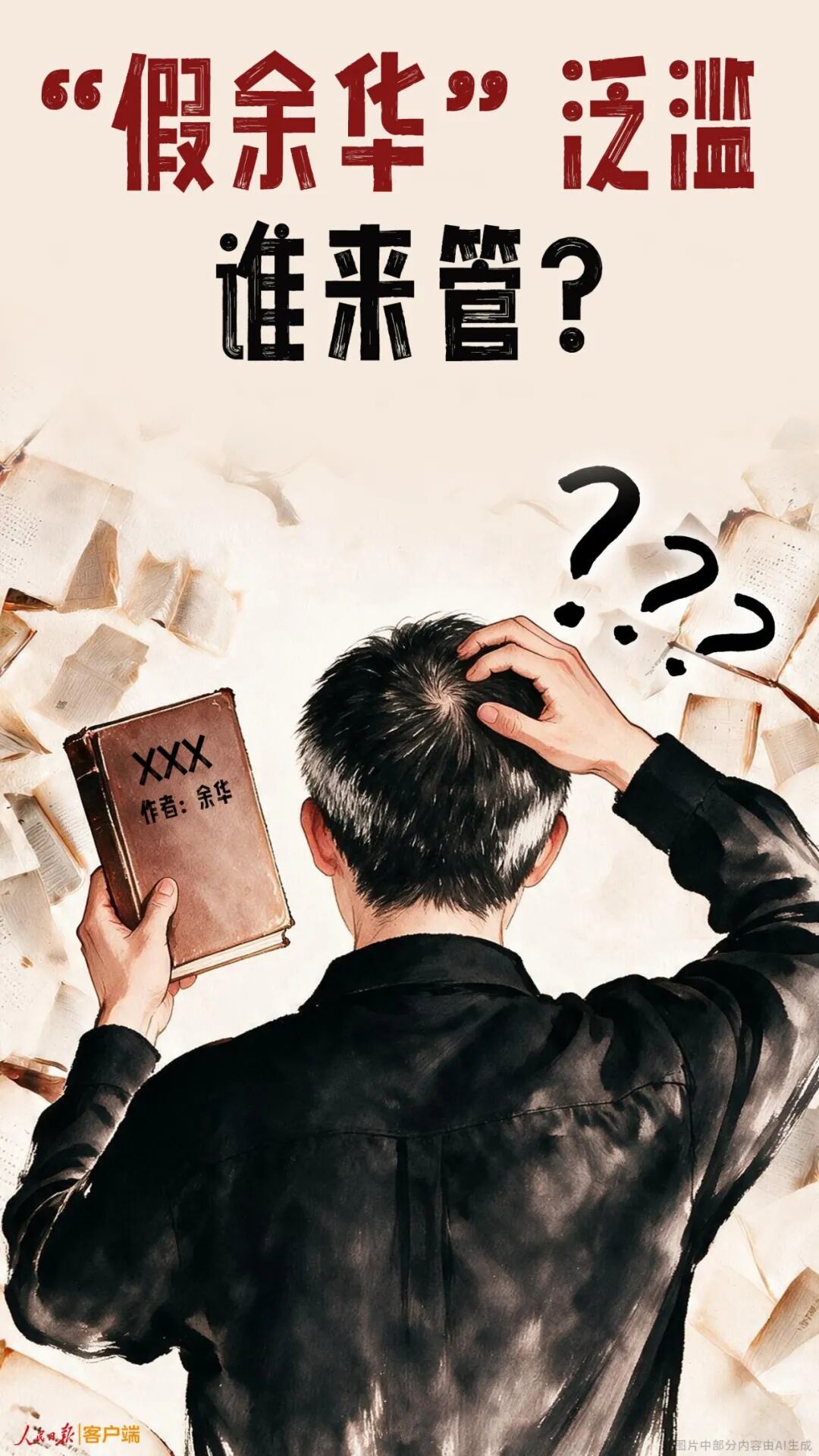 这些内容一经生成,便能通过一键转发、算法助推产生裂变式传播,传播链条长、覆盖面广,旧的不实链接刚被处理,新的虚假版本又快速生成。当前的AI工具在抓取信息时无法区分真假,部分假内容被大模型抓取、纳入数据训练,经过二次生成后进一步固化,形成“越传越错”的恶性循环。类似“假鲁迅”“假余华”的内容泛滥,伤害的不只是创作者,更波及广大受众与整个网络文化生态。原作者劳动成果被随意挪用,署名权遭到侵害;被冒名者的思想观点、公众形象遭到曲解,无端承受误读与争议;受众难辨真伪,把拼凑杜撰的文字当作名家名句;部分伪作甚至流入出版物、教辅资料和考试试卷,对青少年形成误导。凡此种种,不仅对网络文化生态造成侵蚀与破坏,也消解了全社会尊重原创成果、保护知识产权的共识。对此,平台和AI内容服务商责无旁贷,应严格规范作品作者信息标注,建立作品权属核验机制,对涉及知名作家的内容加强筛查审核,防范AI幻觉生成伪名人内容,从源头遏制冒名侵权。打假不应是创作者一个人的事,每多一层审核、多一次核实,虚假信息就少一分流传的空间。 这些内容一经生成,便能通过一键转发、算法助推产生裂变式传播,传播链条长、覆盖面广,旧的不实链接刚被处理,新的虚假版本又快速生成。当前的AI工具在抓取信息时无法区分真假,部分假内容被大模型抓取、纳入数据训练,经过二次生成后进一步固化,形成“越传越错”的恶性循环。类似“假鲁迅”“假余华”的内容泛滥,伤害的不只是创作者,更波及广大受众与整个网络文化生态。原作者劳动成果被随意挪用,署名权遭到侵害;被冒名者的思想观点、公众形象遭到曲解,无端承受误读与争议;受众难辨真伪,把拼凑杜撰的文字当作名家名句;部分伪作甚至流入出版物、教辅资料和考试试卷,对青少年形成误导。凡此种种,不仅对网络文化生态造成侵蚀与破坏,也消解了全社会尊重原创成果、保护知识产权的共识。对此,平台和AI内容服务商责无旁贷,应严格规范作品作者信息标注,建立作品权属核验机制,对涉及知名作家的内容加强筛查审核,防范AI幻觉生成伪名人内容,从源头遏制冒名侵权。打假不应是创作者一个人的事,每多一层审核、多一次核实,虚假信息就少一分流传的空间。
二 | 让被假冒的风险、打假的成本从创作者身上卸下来,这才是对原创最大的尊重。 来源:人民日报客户端,作者:郑娜,策划:岳小乔、雒健晴,海报:陈泉伊本期编辑:胡洪江、阮可欣
三 | Current article:http://www.qiniaohongfangfoguisenzhai.cyou/51j3/20260826/4122.html Published on:05:13:19 |


